
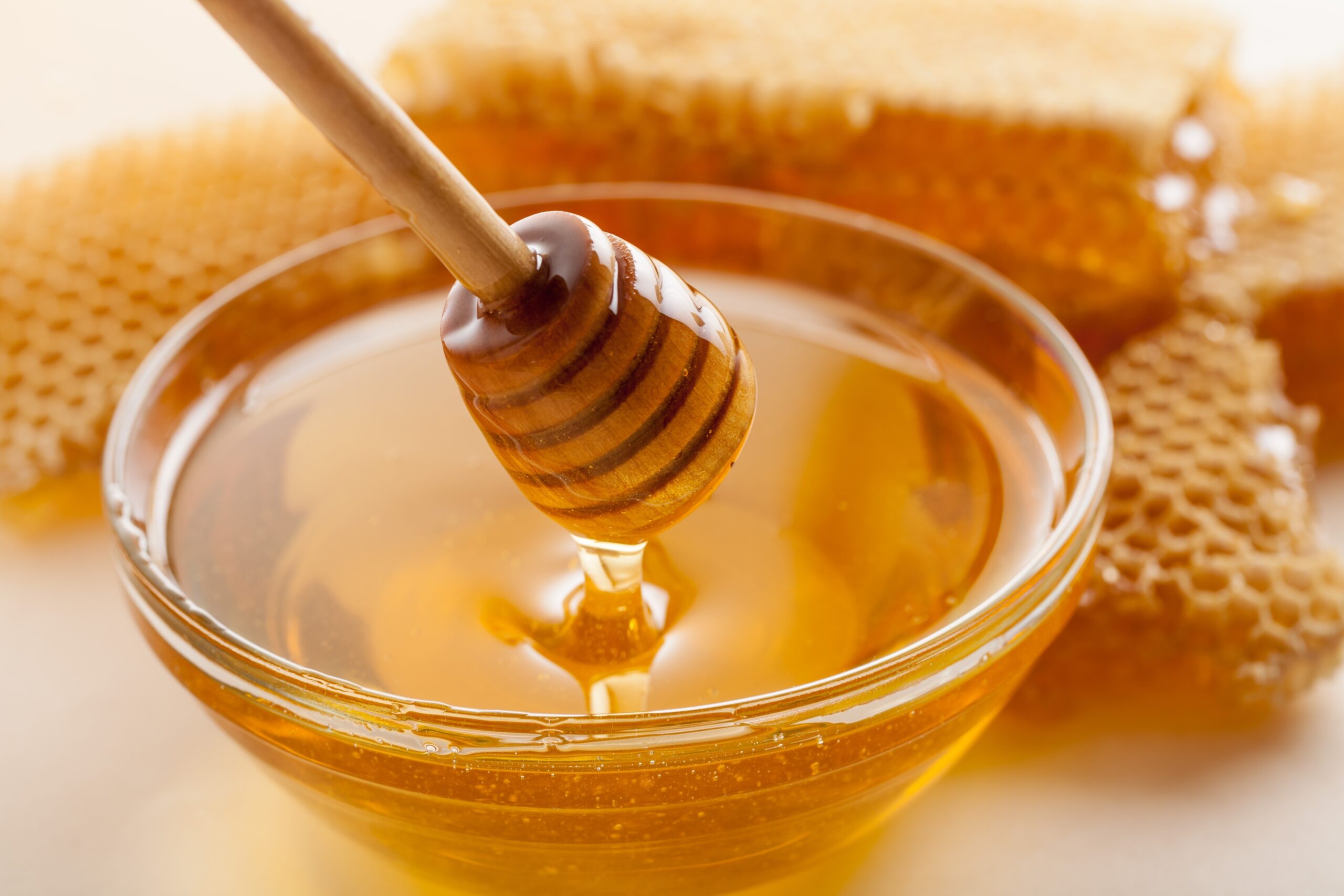
Photo: Billion Photos/Shutterstock.com
While dogs have long been considered humanity’s best friend, bees have done as much or more to earn that prestigious title. They pollinate many of our plants, including key agricultural crops, such as bananas, apples, berries, potatoes, chocolate, and more. Additionally, they produce several products highly beneficial to human health, including bee pollen, royal jelly, propolis, beeswax, bee venom, and of course, honey.
Bees have played an enormous role in people’s lives since ancient times. There is evidence of humans using bee products for at least 8,500 years, dating back to the Stone Age. Scientists found traces of beeswax in pottery in several sites all across Europe from the Neolithic era. It is highly likely these ancient humans also consumed honey as well. Archaeologists have found perfectly preserved 3,000-year-old honey in the pyramids of Ancient Egypt, illustrating the Egyptians enjoyed honey.
Now, modern research supports the use of medicinal products of bees, showing how smart our ancient ancestors were in selecting honey to treat injuries and illnesses. Apitherapy, or the medicinal approach to using bee products for health purposes, is a traditional medicine practice growing in popularity. Because of the growing body of evidence to support the use of bee products in healing or preventing conditions, including neurologic, immune, rheumatic, bacterial, cancer, and more, consumers are seeking the rich nutritional properties of functional foods like bee products to add to their quality of life.
Honey as medicine
Many ancient cultures used honey for medicinal purposes, thanks to its perfect mixture of anti-bacterial and antioxidant properties. An ancient Egyptian medical manual mentioned using honey as a wound-healing agent sometime between 2600 and 2200 BCE. What’s more, Hippocrates, the famous father of modern medicine, also highly recommended honey for healing wounds.
Honey is a sweet substance produced by bees from plant nectars. It is considered beneficial for its bioactive compounds, including flavonoids and phenolics. Additionally, bioactive compound content may change based on geographic region and floral source.
Health benefits of honey:
- Immunomodulation: Stimulates the body’s immune system, including cytokines that activate leukocytes. An older study demonstrated the immunomodulatory effects of honey in connection to the presence of hydrogen peroxide in honey, which may prevent the release of reactive oxygen species.
- Antimicrobial effects in wound healing: Fights bacteria and other pathogens by creating an environment where they cannot survive and may reduce the time it takes to heal wounds. One study found that, when applied to wounds, Manuka honey inhibited Methicillin-resistant Staphylococcus aureus (MRSA) infections.
- Skincare: Has been found to help rejuvenate skin and hydrate it, one reason it is also found in many skincare products.
- Cough improvement: Compared to traditional care for upper respiratory tract infections, honey improved symptoms more effectively. More studies are needed to confirm these results.
- Please note that it has been advised not to give honey to infants (children one-year old or younger) due to the potential for their immature immune system to react to potential toxins like Clostridium botulinum that may be contained in the honey itself.
- Seasonal allergy reduction: Helps reduce seasonal allergy symptoms, especially if taken prior to the start of allergy symptoms.
- Blood glucose management:
- Type 1 diabetes: Consuming honey might help reduce fasting blood sugar, cholesterol levels, triglycerides, and low-density lipoprotein, and increases C-peptide, which correlates to insulin release.
- Type 2 diabetes: A study found that consuming honey for eight weeks led to a reduction in body weight, total cholesterol, LDL cholesterol, and triglycerides. It also increased HDL, the healthier cholesterol. However, this study also found a significant increase in the HbA1C, which is not favorable.
How to choose the best honey
Most of the studies on bee products look at pure samples of medical-grade or high-quality products (e.g., Manuka honey). That does not mean the products purchased in the supermarket do not have some of these beneficial properties. If consumed regularly, these products may provide some individuals with some protection from allergies, infection, and oxidative stress, based on individual circumstances.
Of the medicinal bee products, honey requires some consideration. If the main purpose for consuming honey is to use it medicinally, especially on open wounds, consider choosing medical-grade honey, as this is the type used in scientific studies. It has a greater antibacterial effect than table honey, and there is less risk of contamination by potential pathogenic bacteria. What makes honey “medical grade” is that it has been sanitized using gamma irradiation and other processes to ensure it does not have any potential contaminants. The main medical-grade honey available in the U.S. is Manuka honey. Several brands offer products to consume or to put on the skin, which are available in a variety of health-food stores and pharmacies.
Because bee products are sourced from living insects and hives, it is important to choose ethically-sourced products that aim to retain bee and hive health when extracting.
Final thoughts
Medicinal products have the potential power to remedy numerous conditions and diseases. They may also be used to boost quality of life. Research, while growing, is just entering human trial phases for some bee products. Much of the available research is limited to older in vitro or animal studies. Nonetheless, medicinal bee products show the potential to support human health. So, how can one start taking advantage of all these benefits?
It is essential to discuss using bee products with a doctor, nutritionist, dietitian, or other healthcare provider before taking any bee products supplementarily, especially if taking any pharmaceuticals. Additionally, care should be taken by those with severe allergic responses to pollen, bees, or bee products, especially if there has been a history of anaphylactic shock.