Photo: Dani Vincek/Shutterstock.com
Nitrates and nitrites are a controversial topic in the nutrition field, and research is inconsistent on whether they should be a health concern. On one hand, they can be converted into nitric oxide, a beneficial compound for cardiovascular health, blood pressure regulation, neurotransmitters, and athletic performance. On the other hand, there is a concern that consuming nitrite-rich foods can increase the risk of certain cancers.
Our bodies have their own internal system for creating nitric oxide (NO), which is called the L-arginine/NO synthase pathway. We can also create nitric oxide from dietary sources of nitrates through the nitrate-nitrite-NO pathway.
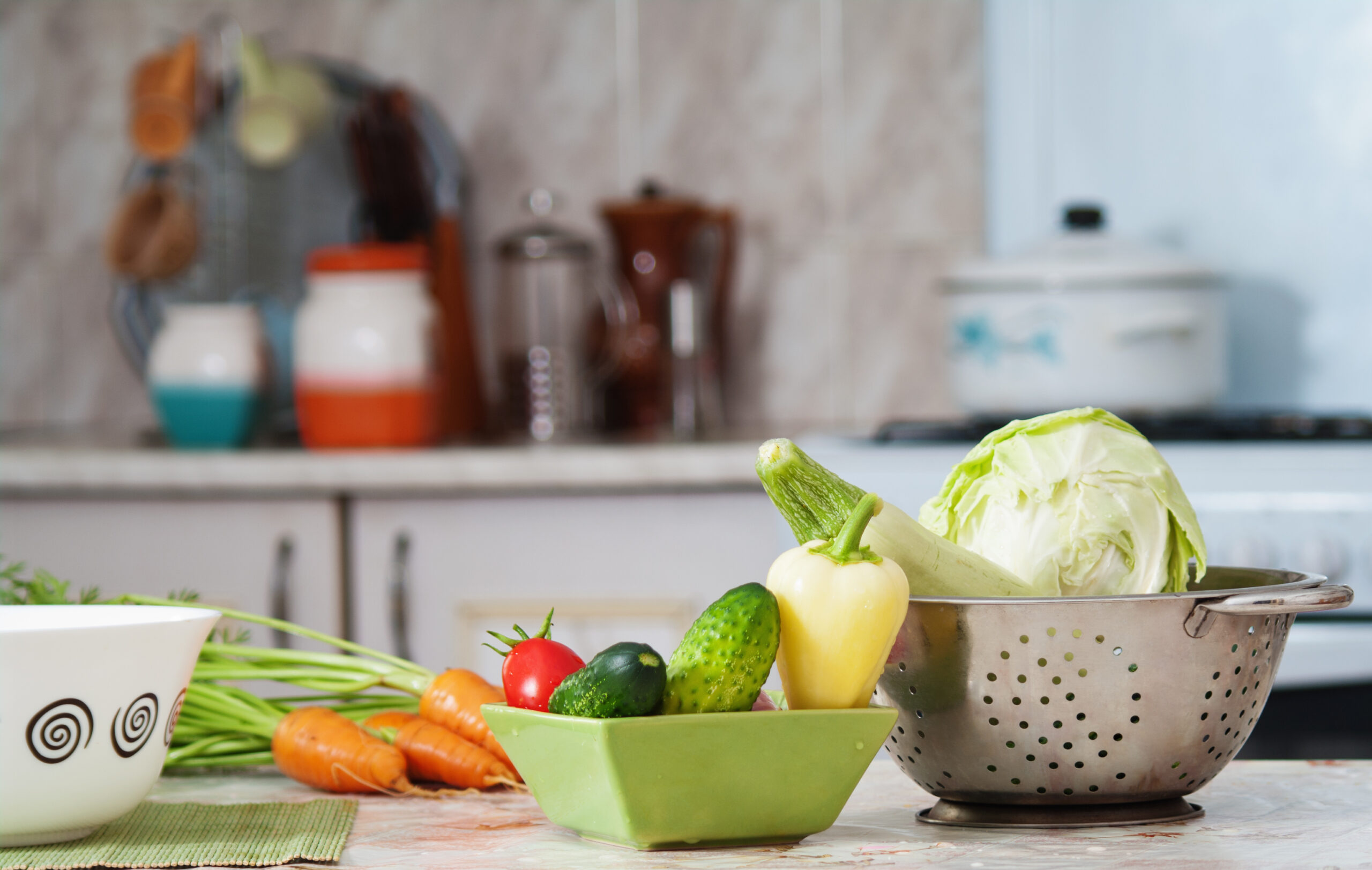
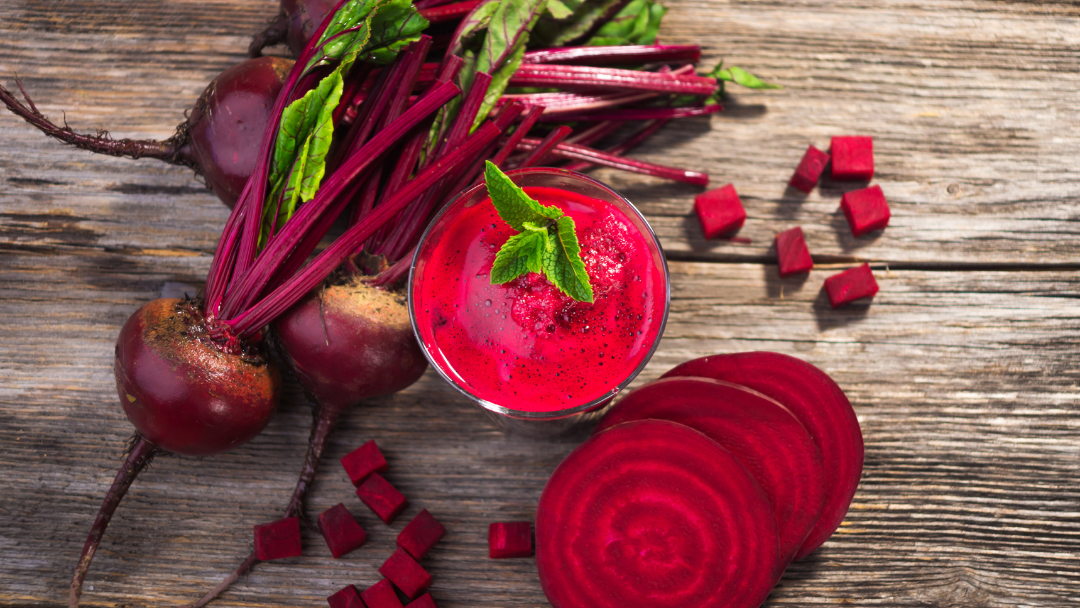
Nitrates are found in vegetables such as beets, celery, and leafy green vegetables (think lettuce and spinach). While the main source of nitrates and nitrites come from vegetables, they can also be found in grains, drinking water, dairy products, and processed meats. Nitrites are used as preservatives in the curing process of meats such as bacon, ham, and sausage to help improve the color, flavor, and shelf-life.
Nitrites and Disease Risk
Nitrates and nitrites themselves are not considered to be harmful, but they serve as precursors for carcinogenic compounds. When we consume nitrate-containing foods, as much as 75% of the nitrate is excreted in the urine, while some is reduced to nitrite by bacteria in the mouth. Nitrite reaches the acidic stomach where it is either converted to beneficial NO or reacts with amines (such as amino acids found in red and processed meats) to create nitrosamines and N-nitroso compounds. These compounds, such as N-nitrosodimethylamine (NDMA), are considered to be carcinogens.
Much of the available research on the harms of nitrates/nitrites comes from studies on red and processed meats. In 2015, the Working Group of the International Agency for Research on Cancer classified red meat as probably carcinogenic (Group 2A) and processed meat as carcinogenic (Group 1). The World Cancer Research Fund recommends restricting red meat consumption to “500 grams per week”.
A 2019 systematic review and meta-analysis of 24 studies and 800,321 study participants showed that moderate and high intakes of nitrites were associated with an increased risk of gastric cancer, although there was significant variation in effects noted between the studies. A separate meta-analysis of 49 studies conducted between 1983 and 2013 also found that a higher intake of NDMA was associated with an increased risk of gastric cancer, while dietary nitrates (such as those found in vegetables) exerted a protective effect. This may be due to the presence of antioxidants in vegetables, which stop the production of N-nitroso compounds.
An NIH-AARP Diet and Health Study found a nonsignificant risk of pancreatic cancer in men with a high intake of nitrates and nitrites. This effect was somewhat attenuated in those with a higher vitamin C intake, although the results were not statistically significant. There was no association between nitrate/nitrite intake and the risk of pancreatic cancer in women, perhaps because women in this study consumed less meat compared to men.
From 1986 until 1996, the dietary habits of 120,852 men and women from the Netherlands Cohort Study were tracked in order to discover more about the association between red meat consumption and mortality. Processed meat, but not unprocessed red meat, was found to be significantly associated with mortality due to cardiovascular and respiratory diseases, but not cancer.
A Canadian study of 1,760 patients with adenocarcinoma and 2,481 controls found that intake of NDMA-containing meat was associated with a higher risk of colorectal cancer. A high NDMA intake along with low vitamin E levels resulted in an increased risk compared to a low NDMA intake with low vitamin E levels.
The Problem with Nitrates/Nitrites
The consumption of red and processed meats seems to be more of a concern compared to nitrate-rich vegetables for a few reasons. Red meat is rich in heme iron, which can stimulate the production of the harmful N-nitroso compounds as well as oxidize NO back into nitrites or into reactive nitrogen species. These nitrogen species can cause cellular and DNA damage.
Nitrites can convert to nitrosamines during the curing or the cooking process, particularly since meats are often cooked using high-temperature methods such as smoking or grilling. These cooking methods also lead to the proliferation of additional carcinogenic compounds such as polycyclic aromatic hydrocarbons (PAHs) and heterocyclic aromatic amines (HAAs).
However, it’s not all bad news. The amount of nitrites that can be used in food processing is regulated. The percentage of nitrites in processed meats decreases through the production process and over time as the food is stored. Some companies have been replacing these chemical additives with vegetable alternatives. You may have even seen some buzzwords such as “nitrate- or nitrite-free” on the label of some processed meats. It seems as though we may be moving in the right direction when it comes to nitrite additives, although it is still important to consider the overall quality of red and processed meats as well as how they are being cooked.
The Benefits of Nitrates
While there is a lot of focus on the detriments of nitrosamines, there is also plenty of research on the positive effects of nitrate-rich vegetable sources for nitric oxide production.
Nitrate supplementation has been shown to have positive effects on insulin resistance and hyperlipidemia in mice fed a high-fat diet. This may have important implications for metabolic disorders.
A study of COPD patients demonstrated that beetroot juice significantly increased median exercise time and reduced exercise diastolic blood pressure and resting systolic blood pressure. Nitric oxide production naturally decreases with age, making beetroot juice a potential strategy to help support quality of life in individuals with COPD. A double-blind, placebo-controlled trial of 64 hypertensive patients showed that daily supplementation of 250 mL of beetroot juice for 4 weeks resulted in a 20% improvement in endothelial function as well as a reduction in blood pressure.
Other Considerations
The gut microbiome has been a popular topic for years now, but the oral microbiome has been getting more attention lately. There is an established connection between periodontal disease and the development of hypertension, but imbalances in the oral microbiota can also be associated with endothelial dysfunction and cardiometabolic imbalances, perhaps due to a decrease in nitric oxide production. Poor oral hygiene, as well as the use of chlorhexidine mouthwashes, can decrease nitrate-reducing bacteria. The ORIGINS study (Oral Infections, Glucose Intolerance, and Insulin Resistance Study) demonstrated that higher levels of nitrate-reducing bacteria were associated with lower plasma glucose and insulin resistance.
Closing Thoughts
Nitrates/nitrites have the potential to be beneficial or harmful to health, depending on the context of a person’s overall diet and lifestyle. A few ways you can maximize their healthful properties are:
- Prioritize vegetable sources of nitrates such as beets and dark, leafy greens.
- Consider limiting your intake of processed meats and pay attention to the quality of the meat you purchase. Look for organic and grass-fed sources whenever possible.
- Choose lower temperature cooking methods for meat as opposed to smoking or grilling.
- Pair red or processed meat with brightly colored and antioxidant-rich fruits and vegetables.
- Mind your oral microbiome by practicing good oral hygiene.
If you plan to incorporate more colorful, plant-based, and/or whole foods into your daily eating, or have food allergies or questions about which foods can best support your health, talk to your doctor, nutritionist, dietician, or another member of your healthcare team for personal options based on your individual circumstances. There are certain medications that may interact with plant-based foods.