
Photo: Daxiao Productions/Shutterstock.com
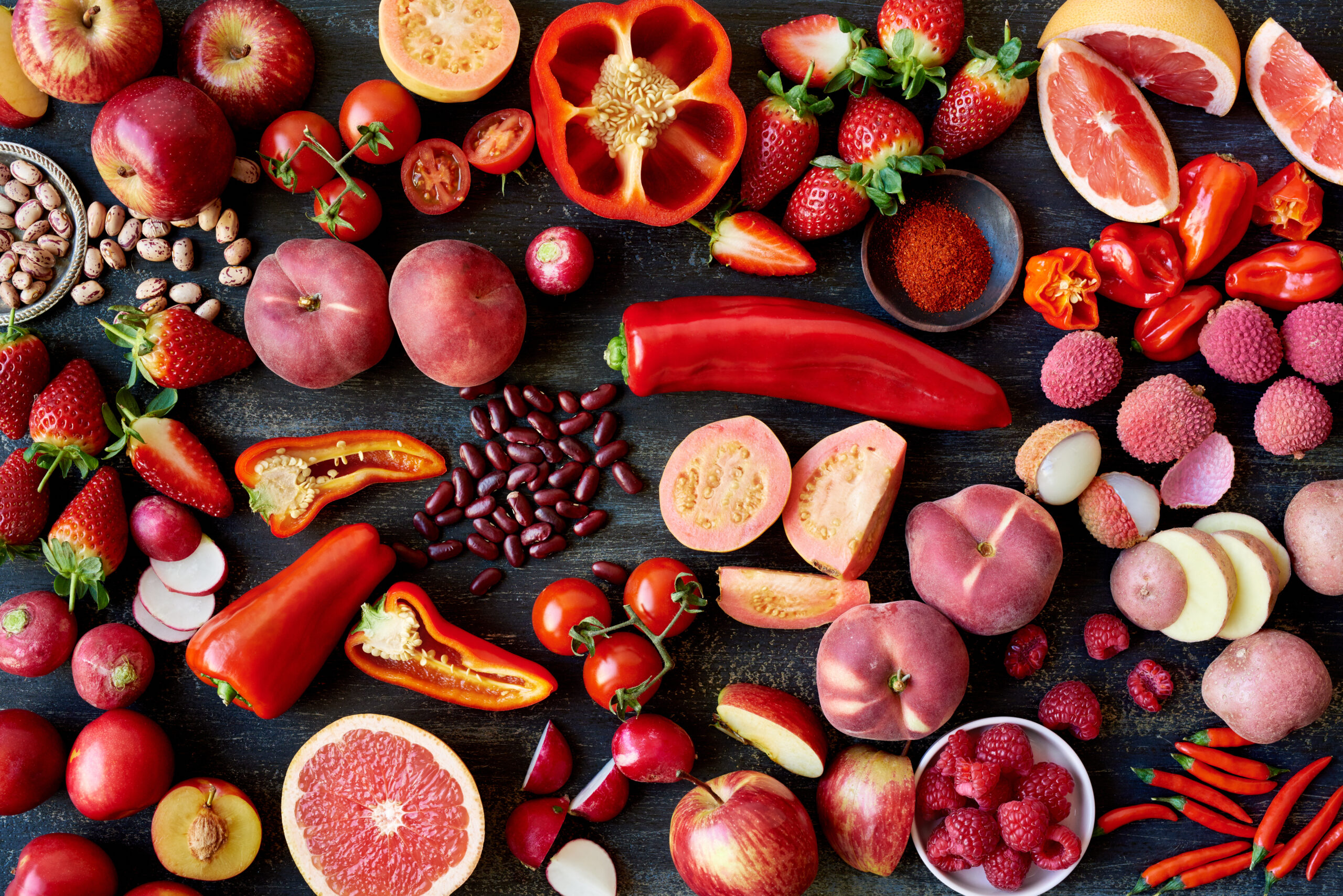
The color red evokes a strong emotion or response. Red is often associated with health, as it is the color of blood. It also represents danger and warnings (e.g., stop signs, traffic lights, ambulance lights, etc.). In color theory, red symbolizes passion and romance.
In nature, females are thought to display more red coloration during ovulation when they are more receptive to mating. Red might also indicate a level of physiological fitness in males due to highly oxygenated blood and increased blood vascularization, signaling health. In health, red has historically been associated with inflammation, first characterized by Roman scholar Celsus as heat, pain, redness, and swelling. “Redness” has continued to represent inflammatory responses in the body.
While inflammation is associated with numerous adverse health consequences, it is particularly harmful in genitourinary conditions that affect men. Over time, inflammation has been shown to play a role in male infertility, erectile dysfunction, prostate cancer, bladder cancer, and hypogonadism. Because an unhealthy diet is a major contributor to disease pathologies, dietary improvements may ameliorate inflammation-induced conditions. One plentiful antioxidant in red-pigmented plant foods, lycopene, has become a topic of interest for men’s health.
What is Lycopene?
Lycopene is a carotenoid with numerous health benefits due to its antioxidant properties. Carotenoids are the bioactive nutrients in red, orange, and yellow plant foods. They have potent antioxidant activity that can neutralize free radicals before they damage cells in the body, including cells that make up the tissues of the organs in the reproductive system.
The antioxidant properties of lycopene may explain its effectiveness in preventing chronic, inflammation-induced diseases. For example, lycopene may reduce circulating proinflammatory cytokines, thereby decreasing levels of oxidative stress. Lycopene has been linked to various factors in men’s health, especially chronic disease prevention. Studies have found that lycopene improves cardiovascular health, prevents cancer, supports skeletal health, and reduces the risk of neurodegenerative diseases. It is also found in large quantities in the adrenal glands, testes, and prostate, making it an antioxidant of interest in men’s health.
Cardiovascular and Metabolic Effects
Cardiovascular diseases (CVD) are the leading cause of death in the United States and across the globe. While this is true for men and women, CVD mortality rates are often higher for men than for women. One possible explanation for the observed sex difference is the protective effect of estrogen. Other risk factors include age, family history, unhealthy diet, smoking, increased body mass index, high blood pressure, metabolic conditions (e.g., diabetes, obesity), abdominal fat, sedentary lifestyle, high cholesterol, and low income.
While many risk factors are not modifiable, diet is a known prevention strategy for cardiovascular and metabolic diseases. However, altering the diet takes time and effort, which means individuals who would benefit from dietary intervention may need a quicker alternative approach to help improve their inflammation. One older mouse study found that lycopene consumption improved health, even when eaten with a high-fat diet. Male mice were divided into four groups for 12 weeks: 1) a control diet; 2) a high-fat diet; 3) a high-fat diet with lycopene; 3) a high-fat diet with tomato powder. The mice consuming the high-fat diets and lycopene or tomato powder had lower adiposity, serum triglycerides, and oxidative stress. Additionally, glucose homeostasis and lipid metabolism improved, and adipocyte hypertrophy was prevented. For individuals who can’t realistically change their diets quickly, lycopene supplementation and tomato consumption might help improve their health while they adjust their diet.
Another study assessed the effects of tomatoes on blood pressure. In this study, 61 hypertensive adults were given 5, 15, or 30 mg of an encapsulated proprietary tomato extract, 15 mg of synthetic lycopene, or a placebo every day for 8 weeks. Individuals taking 15 or 30 mg of the tomato extract had significantly reduced mean systolic blood pressure at the end of 8 weeks (p < 0.001). Researchers concluded that the bioavailability of lycopene is dose-dependent, likely explaining why the lower doses did not alter blood pressure.
Lycopene might also prevent metabolic conditions, including metabolic syndrome, type 2 diabetes, and obesity, likely due to its effects on inflammation. One systematic review found that lycopene consumption in varying doses and durations of intake influenced the risk factors associated with metabolic syndrome. By exerting anti-inflammatory effects and reducing oxidative stress, which is a cornerstone of metabolic diseases, lycopene may help prevent disease progression.
Prostate Health
The prostate gland is a male organ located in the pelvis and has an important role in reproduction. However, as individuals age, prostate complications, including benign prostatic hyperplasia, prostate cancer, and prostatitis, may arise. Because these conditions have inflammatory processes underpinning their development, lycopene may be used to address complications.
The anti-inflammatory, anti-cancer, anti-proliferative, and apoptotic actions of lycopene may inhibit prostate cancer progression. Inflammation has been linked to all stages of cancer development. Chronic low-grade inflammation contributes to cancer by promoting tumor initiation, growth, and metastasis in the body. This is also true in cancers that exclusively affect men. What’s more, insufficient intake of lycopene (< 8,000 mcg/day) is associated with a higher risk of developing prostate cancer, according to NHANES data from 2003-2010. While more studies are needed to understand if lycopene supplementation can prevent prostate cancer, consuming sufficient lycopene from the diet may ameliorate risk factors.
Benign prostatic hyperplasia (BPH) is a common nonmalignant growth that occurs in aging men and causes uncomfortable urinary tract symptoms. Risk factors include age, genetics, inflammation, obesity, metabolic syndrome, diabetes, and poor diet. Additionally, BPH may increase the risk of developing prostate cancer. Because lycopene has been identified as an effective bioactive nutrient for cancer prevention in prostate cancer, researchers have also evaluated its use in BPH. One study found that supplementing with 15 mg of lycopene per day for 6 months reduced serum prostate-specific antigen and prevented prostate enlargement. Symptoms of BPH were also reduced.
Another uncomfortable condition that may be helped by lycopene is prostatitis, which causes pain and inflammation in the prostate gland. One rat study found that daily supplementation with lycopene for 4 weeks reduced pro-inflammatory cytokines and increased antioxidant enzymes. Although more research is needed, lycopene may be a promising nutrient for protecting prostate health and alleviating painful conditions.
Other Benefits
The anti-inflammatory effects of lycopene may have additional benefits on men’s health. For example, adequate lycopene consumption has been associated with improved sleep. Low consumption of lycopene-rich foods is linked to difficulty falling and staying asleep.
Future research directions might explore the uses of lycopene for autoimmune diseases and neurodegenerative disease prevention. Lycopene has already shown potential as an anti-inflammatory agent for rheumatoid arthritis, particularly in its nanoform. Additionally, rat studies are beginning to show promising results from lycopene in the prevention of Alzheimer’s disease and improvement in cognition. More long-term human studies will elucidate these findings.
Food Sources of Lycopene and Tips for Optimizing in Foods
There is no recommended daily intake of lycopene. However, consuming lycopene-rich foods in the daily diet will help support health benefits. Lycopene can be found in a variety of foods including red-pigmented plant foods.
When it comes to red foods, the highest, whole food sources are:
- Tomato puree (canned): 54,385 mcg per 1 cup
- Tomato paste (canned): 18,984 mcg per ¼ cup
- Rose hips: 8,636 mcg per 1 cup
- Guavas: 8,587 mcg per 1 cup
- Watermelon: 6,979 mcg per 1 cup
- Tomatoes (raw): 3,834 mg per 1 cup
Like other carotenoids, lycopene is a fat-soluble compound and should be consumed with fat to increase its bioavailability. Additionally, combining lycopene-rich foods with other foods, such as Brassicas (e.g., cabbage), Alliums (e.g., garlic, onions, and leeks), Raphanus (e.g., radishes, wasabi, and horseradish), shiitake mushrooms, and edible seaweeds, may produce a synergistic effect and enhance the Z-isomerization (i.e., bioavailability) of lycopene. However, tomatoes are considered a great option because they contain additional bioactive nutrients that might produce a synergistic effect with other nutrients. Lastly, cooking will improve the bioavailability of lycopene, as evidenced by cooked and canned tomato products versus raw tomatoes.
Conclusions and Final Thoughts
Lycopene is an antioxidant with promising health benefits for men, especially cardiovascular, metabolic, and prostate health. However, more long-term studies on lycopene are required to understand its full spectrum of health effects.
Lycopene can easily be consumed by eating red-pigmented plant foods such as tomatoes. Other rich sources include tomato powder, sundried tomatoes, tomato paste, pomegranates, papaya, guava, watermelon, red bell peppers, grapefruit, and persimmons. Consuming lycopene-rich foods with fat or cooking them may increase the bioavailability of lycopene.
As always, talk to a doctor, nutritionist, or dietician before making any diet or lifestyle changes for personal options based on individual circumstances. While lycopene has beneficial effects on blood pressure, individuals with low blood pressure should use caution when consuming lycopene-rich food sources in excess.