
Photo: Vezzani Photography/Shutterstock.com
In the last few decades, computer use has skyrocketed. On average, individuals on the internet report spending 6.5 hours online every day. With the advent of social media, screen time is continuing to increase around the globe, as is the concern surrounding eye health.
A main concern is the excess, or cumulative, exposure to short-wavelength visible light emissions (i.e., blue light). Digital devices have become a major source of exposure and are known to contribute to eye fatigue and reduced visual function. Computer Vision Syndrome (CVS), otherwise known as Digital Eye Strain (DES), is a multifactorial syndrome associated with prolonged, excessive screen use that contributes to dry eyes, eye stress, headaches, blurred vision, and difficulty focusing. Blue light-blocking glasses have become popular ways to prevent DES; however, research is unclear whether they are effective.
Now, more research is focusing on nutrition and what it can do for eye health. Carrots have long been touted as a functional food for eye health, but newer research is expanding beyond this singular orange food. Ironically, carotenoids (i.e., phytochemicals rich in yellow, orange, and red pigments in plant foods) are the bioactive nutrients that are gaining recognition for their role in eye health. Specifically, lutein is a carotenoid with evidence suggesting its effectiveness in preventing degenerative eye diseases. What’s more, this nutrient may become more important in the effort to control and prevent symptoms associated with prolonged screen time.
Anatomy, Physiology, and Diseases of the Eye
The eye is the route through which the world is seen and observed. It is a complex organ that captures light and enables the brain to perceive its surroundings. The eye contains three main layers: the cornea, sclera, and retina. The cornea is the protective layer that absorbs the light that enters the eye and transmits it to the lens and retina. The sclera is the connective tissue coating that supports eye shape and protects the eye. At the innermost layer, the retina is the area that processes and absorbs the light that enters through the iris and pupil.
Eye health is associated with higher quality and longer life due to vision. Certain dietary nutrients support eye health and prevent eye diseases. A diet rich in food sources of vitamin A, vitamin C, vitamin E, zinc, omega-3 fatty acids, and carotenoids is considered beneficial for eye function and long-term health.
Diseases manifest when nutrients aren’t adequate in the diet. For example, common eye diseases resulting from vitamin A deficiency include night blindness, Bitot’s spots, xerophthalmia, and keratomalacia. Other nutrient deficiencies, such as vitamin C, vitamin D, vitamin E, omega-3 fatty acids, and carotenoids, increase one’s risk of developing cataracts and macular degeneration, two of the most common and leading causes of blindness across the globe. Because these conditions are largely preventable with adequate nutrition, more research, education, and media efforts are focusing on spreading awareness, especially in communities in developing countries with a high prevalence of eye diseases.
Carotenoids: Plant Superstars for Eyes
Carotenoids are associated with several health benefits. Humans cannot produce their own supply but have evolved to accumulate carotenoids from their diet. Notable sources include red, orange, and yellow plant foods, along with leafy greens and egg yolks. Regular consumption of carotenoid-rich foods has been shown to improve cognitive function in children, reduce cognitive decline in adults, lower the risk of osteoporosis, and support fetal brain and retina development. Despite health benefits, consumption of carotenoid-rich fruits and vegetables is generally inadequate. One carotenoid, lutein, is recommended at 6 mg daily to protect against age-related macular degeneration (AMD). However, individuals worldwide consume less than 3 mg of lutein daily. Newer research suggests up to 10 mg of lutein daily to achieve these benefits, especially if dietary consumption is low.
Carotenoids are also beneficial for eye health, with lutein, zeaxanthin, and meso-zeaxanthin taking center stage for their numerous eye-health properties, including antioxidant, blue light-filtering, anti-inflammation, and visual function properties. They form macular pigments and are concentrated in the retina. Without them, individuals may experience degeneration of the eye and vision, leading to eye diseases. A high intake of lutein and zeaxanthin is associated with a lower risk of developing eye diseases. A double-blind, randomized controlled trial evaluating lutein and zeaxanthin supplementation in children ages 5-12 found that supplementation increased macular pigment optical density, serum lutein, serum zeaxanthin, and brain-derived neurotrophic factor (BDNF). The group receiving the supplements had less eye strain, less eye fatigue, better cognitive performance (focus, memory, learning), and increased processing speeds, attention, and visuospatial processing.
Of the many health-promoting carotenoids in nature, lutein is an especially recognized “eye nutrient.” One study gave lutein (extracted from marigolds), wolfberry, and chrysanthemum mixed beverages to rats with diabetes for four weeks to test hepatic antioxidant enzymes and visual fatigue relief. The rats given moderate-to-high doses of the beverage (0.72-1.44 mg/mL) experienced visual fatigue relief and alleviated turbidity symptoms of impaired crystalline lenses. Additionally, these rats had reduced malondialdehyde concentrations, increased glutathione, and increased antioxidant enzymes.
Another study evaluated the effect of lutein supplementation on long-term eye health. In this cross-sectional study, 24 healthy men and women between the ages of 20-35 and 50-65 were given 6 mg of lutein per day from marigold extract (free and ester forms) for two months. By day 15 of the study, lutein levels had increased and were maintained for the rest of the study, regardless of the form given to participants. Researchers determined that lutein supplementation may reduce the risk of developing eye diseases, and long-term supplementation may improve macular pigment, which is decreased in some diseases.
Other studies have found that lutein supplementation, especially when combined with certain nutrients, is preventative and may help slow the progression of eye diseases. For example, lutein combined with eicosapentaenoic acid (EPA) and docosahexaenoic acid (DHA) was found to have anti-cataract activity in mice. Also, in a prospective, 12-month study, patients with AMD were given 10 mg of lutein, lutein and other nutrients (vitamins, minerals, antioxidants), or a placebo. Researchers reported that the groups receiving lutein had increased macular pigment optical density and improved visual acuity.
Ultimately, lutein consumption via colorful fruits and vegetables or supplementation can help keep eyes healthy by preventing photo-toxic damage that occurs with age, diet, and other lifestyle factors. Beyond vision improvement, cognitive function, and prevention of age-related diseases, lutein can help prevent damage to the lens and retina through quenching of reactive oxygen species and absorbing blue light.
Lutein: Protection Against Blue Light
Visual perception requires light, and advanced age can cause an increased absorption of short-wavelength visible light (400-500 nm), known as blue light. Blue light becomes problematic if the lens absorbs too much of it, causing photo-toxic damage to the retina. Backlit computers, tablets, and smartphones emit similar wavelengths as blue light. Blue-light filtering or blue-light blocking spectacle lenses have become more ubiquitous to prevent overexposure. However, their efficacy has come into question as numerous studies have identified their lack of effectiveness in preventing eye strain or supporting macular health. Because carotenoids absorb blue light and filter excess blue light, their consumption may better protect the eyes against damage.
A 12-week study on 22-30-year-old individuals evaluated whether lutein supplements supported visual function with exposure to long-term computer usage. Participants were assigned to receive 6 or 12 mg of lutein daily or a placebo. Researchers found that contrast sensitivity increased in both groups receiving lutein. Visual angles increased significantly in the group consuming 12 mg (p=0.003). These results suggest that supplementation played a role in visual function with long-term computer exposure.
An in vitro model evaluated the effects of 6-hour exposure to phone screen light on the retina. Researchers reported that cumulative exposure led to increased oxidative stress, cytotoxicity, and altered metabolism of the retina. However, cells that were treated with 0.5 uM of lutein 24 hours before the exposure resulted in lower reactive oxygen species levels. This study suggests that optimal lutein concentrations are effective for protecting the retina from damage caused by long-term screen use.
Although research is still in the early stages and more human clinical trials are required to understand the full spectrum of effects of lutein for eye health, it is clear that lutein is beneficial for the eyes. In a world with increasing exposure to screens, lutein consumption may become a growing recommendation in healthcare.
Factors Affecting Bioavailability
Lutein-containing foods may benefit eye health, but their bioavailability may vary by plant, depending on the intracellular location of lutein. Carotenoids in fruits, roots, and tubers are found in chromoplasts. In leafy greens, carotenoids are in the chloroplasts. This location in the plant may impact how efficiently the intestinal tract breaks down the plant cells. For example, carrots and tomatoes may contain less lutein compared to leafy greens, but the lutein in these foods may be more bioavailable based on its intracellular location in the plant.
Because carotenoids are lipophilic and absorbed the same way as fats, lutein-containing foods should be consumed with fats to increase bioavailability. Notably, saturated fats and medium-chain triglycerides are beneficial for absorbing xanthophylls (e.g., lutein and zeaxanthin) into micelles. This is because xanthophylls are less hydrophobic than carotenes and are located on lipid droplets’ surfaces, making them more bioavailable.
Proteins may affect the bioavailability of carotenoids. An in vitro model simulating the digestive process found that the presence of pure proteins, especially soy protein isolate, may reduce the bioavailability of both lutein and zeaxanthin. However, the presence of protein may also increase the cellular uptake of carotenoids.
In addition to macronutrients, micronutrients may affect the bioavailability of lutein. An older in vitro study found that lutein bioavailability decreased in the presence of calcium and magnesium and in the absence of zinc. Additionally, this study also showed that sodium may increase the bioavailability of lutein. However, an in vivo study did not replicate the effect of calcium.
Another factor affecting the absorption and bioavailability of lutein is temperature. Lutein is sensitive to temperature, and complete degradation is shown at temperatures above 80 degrees Celsius. Complete degradation may also occur at lower temperatures when combined with low pH. However, some lutein-containing foods, such as corn and sweet potatoes, may benefit from being boiled, likely because boiling causes the breakdown of cell walls and enhances the release of phytochemicals from the food matrix. To reduce the degradation of lutein-containing foods, a variety of cooking methods should be used.
Sources of Carotenoids for Eye Health
While yellow, orange, and red-pigmented foods generally contain carotenoids, some contain higher amounts than others. The table below lists food sources of carotenoids (i.e., lutein and zeaxanthin).
| Food | Serving (g) | L/Z ug per serving (raw) |
| Spinach | 30 | 3,660 |
| Edamame | 180 | 2,820 |
| Orange pepper | 149 | 2,791 |
| Pumpkin | 116 | 1,740 |
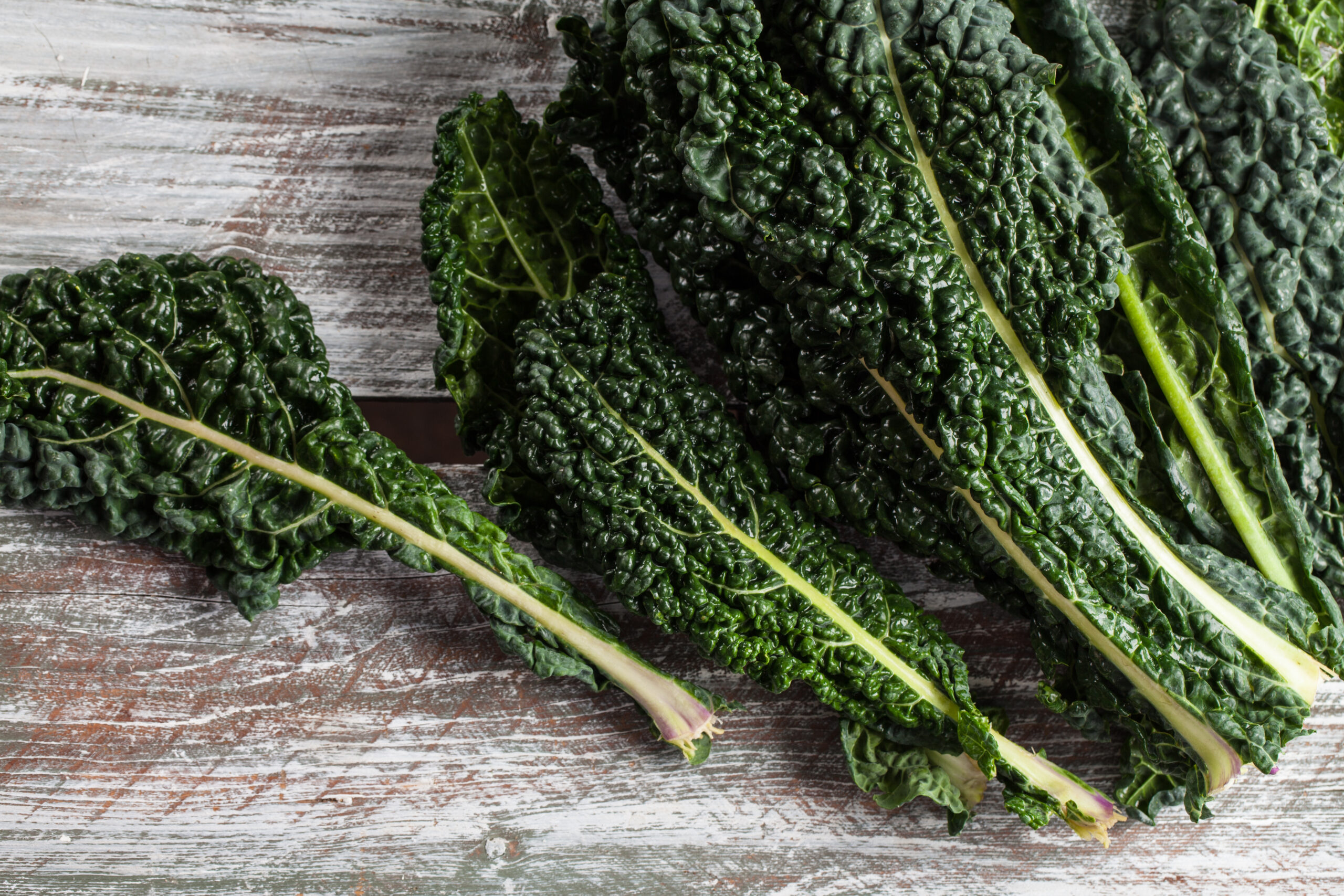
| Kale | 21 | 1,315 |
| Broccoli | 91 | 1,274 |
| Brussels sprouts | 88 | 1,135 |
| Corn | 165 | 1,063 |
| Leek | 28 | 1,030 |
| Asparagus | 134 | 951 |
| Romaine lettuce | 47 | 813 |
| Pistachios | 28 | 812 |
| Green beans | 100 | 640 |
| Carrots | 128 | 328 |
| Egg, whole | 50 | 252 |
| Parsley | 4 | 226 |
| Tomato | 180 | 221 |
| Basil | 3 | 212 |
| Egg, yolk | 17 | 185 |
| Avocado | 50 | 136 |
| Grapes, red or green | 151 | 109 |
| Cantaloupe | 122 | 39 |
L=lutein, Z=zeaxanthin
Final Thoughts
Certainly, plant foods are an excellent source of carotenoid-rich foods that may prevent degenerative eye diseases. However, other lifestyle factors must be considered, as well. Eyes are susceptible to ultraviolet radiation and oxidation, and eye health degradation is a normal part of aging. What’s more, smoking, hormone replacement therapy, and diabetes are risk factors for worsening eye health. Screen time reduction is a modifiable risk factor recommendation to prevent eye diseases.
Consuming a diet rich in variety of colorful plant foods is a beneficial way to improve overall health and prevent chronic diseases. Carotenoids are especially beneficial phytochemicals as they offer protection from blue light. While diet alone may not improve or prevent all eye conditions and diseases, it is a foundational strategy for improving eye health.
As always, talk to a doctor, nutritionist, or dietician before making any diet or lifestyle changes. This is especially true for supplementation, as carotenoids may be contraindicated in smokers and individuals with medical conditions related to oxidative stress (e.g., diabetes, obesity, and neurological diseases). Individuals taking multiple medications may have altered metabolism and absorption of carotenoids and would benefit from personalized recommendations based on individual circumstances to ensure adequate consumption.