
Photo: Malyugin/Shutterstock.com
In my Whole Detox book, I discuss 7 Systems of Health. Each system is associated with a color, certain parts of the body, core life themes, foods, and even lifestyle. In this blog, I will talk specifically about one of the 7 Systems of Health that I call the LOVE System. The color green is associated with the LOVE System of Health and represents the combination of heart and lungs, or the cardiovascular and respiratory systems, respectively.
As most people know, the cardiovascular system specifically includes the heart, arteries, veins, and capillaries, and it is responsible for providing blood to the body. Blood circulates a number of substances that are important to health including oxygen, hormones, enzymes, antibodies, and glucose. Blood also transports carbon dioxide back to the lungs where it can be exhaled, though it also plays an important role as a regulator of blood pH.
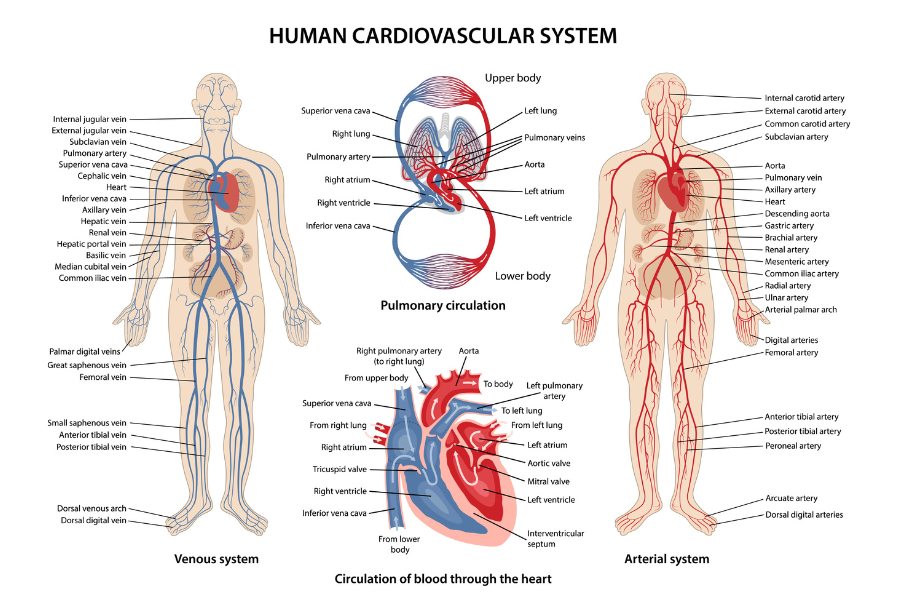
Image Credit: Shutterstock.com/Olga Bolbot
Cardiovascular disease, or heart disease, may refer to several issues including coronary artery disease, cerebrovascular disease, aortic atherosclerosis, and peripheral artery disease. The development of atherosclerosis, which refers to plaque formation in arteries, is common in cardiovascular diseases. In the United States, cardiovascular disease is the leading cause of death and was responsible for 1 in every 5 deaths in 2020.
An unhealthy diet is among the ten risk factors for cardiovascular disease, along with physical inactivity. While dietary intake is often the most difficult risk factor to address, it is encouraging that at least two risk factors are modifiable to some extent for most individuals. Other risk factors for cardiovascular disease include, but are not limited to, dyslipidemia, pre-diabetes and diabetes, and hypertension.

Image Credit: Shutterstock.com/ifong
Did you know that green plant foods contain a variety of heart-healthy nutrients including vitamin K, folate, and antioxidant nutrients, as well as fiber?
- Vitamin K plays an important role in blood clotting and can prevent excess bleeding if you have an injury or accident, and it also may inhibit hardening of the arteries, which can lead to cardiovascular disease.
- Folate plays an important role in protecting the heart because it can help lower levels of homocysteine, an amino acid that when elevated can damage blood vessels. Folate deficiency, and elevated levels of homocysteine, also can indicate an increased risk for cardiovascular disease.
- Antioxidant nutrients can help combat oxidative stress, which can lead to inflammation and chronic conditions such as cardiovascular disease.
- Dietary fiber can help lower total and LDL cholesterol and, therefore, may have beneficial effects for cardiovascular health.
- Eating leafy green and cruciferous vegetables may reduce the incidence of several types of cardiovascular disease.
- Evidence from scientific studies is convincing that increasing the intake of vegetables and fruit can reduce the risk for hypertension, coronary heart disease, and stroke.
LEAFY GREENS:
Chard (rainbow, red)
- Green leafy vegetables, like Swiss chard, contain antioxidant phenolic compounds, which may positively affect cardiometabolic risk factors.
- Flavonoid antioxidants can be found in chard. One flavonoid called vitexin may exert cardioprotective effects.
- The stalks of chard can be found in a rainbow of colors, even though most chard leaves are a rich shade of green.
Kale
- Kale is a cruciferous vegetable and a rich source of health-promoting nutrients including carotenoids, glucosinolates, and phenolic compounds, all of which can provide antioxidant activity and protect cardiovascular health.
- Kale also contains vitamin K, an important nutrient that helps support the cardiovascular system.
- Kale is a good source of dietary fiber, which can lower LDL cholesterol levels. Steamed kale may be more effective for obtaining these results.
- All forms of kale can provide you with health benefits, but the varieties of kale you will most often encounter are curly kale, lacinato kale, and purple kale.
Other leafy greens that support the heart include arugula, bok choy, collard greens, dandelion, mixed greens, mustard greens, romaine, spinach, sprouts of all kinds, and watercress.
GREEN FRUITS:
Avocado
- Avocados are rich in a variety of essential nutrients and important phytochemicals, and including them in the diet can support cardiovascular health. Based on an assessment of participants in the Health Professionals Follow-up Study and the Nurses’ Health Study, both prospective cohort studies, higher avocado intake may lower cardiovascular disease risk in men and women.
- Avocados are a good source of vitamin K, folate, dietary fiber, a variety of antioxidant nutrients, and heart-healthy fats, all of which can benefit the cardiovascular system.
- Dietary intake of avocados is associated with improved overall diet quality, better nutrient intake, and a lower risk for metabolic syndrome.
- Avocados that are ripe and ready to eat are slightly soft and should be free of dark, sunken spots or cracks. A firmer avocado can be ripened in a paper bag or fruit basket at room temperature within a few days, and they should not be refrigerated until they are ripe. Once they are ripe, they will keep in the refrigerator for about a week.
Kiwi
- Kiwi contains high quantities of vitamin C, vitamin E, and polyphenols, all of which are cardioprotective nutrients.
- Kiwi contains antioxidants that may protect DNA in human cells from oxidative stress, which can promote the development of cardiovascular disease.
- Kiwi contains dietary fiber, which can lower cholesterol levels and help protect the heart.
- Regular kiwi consumption may also lower blood pressure as shown in an 8-week study on hypertensive men and women aged 35-69. When comparing the effects of kiwis to apples on blood pressure, the study found that the group who consumed three kiwis daily had lower blood pressure, which may be due to improvements in endothelial function.
- Select the kiwi by holding it between the thumb and forefinger and applying gentle pressure. Those with the sweetest taste will gently yield to the pressure. Avoid purchasing kiwi that are very soft, wrinkled, or have damaged spots or bruises.
LEGUMES:
Green beans
- Green beans are a legume, supply protein to the diet, are a good source of fiber, and contain phenolic compounds.
- The phytochemicals in green beans and other legumes can help protect against coronary heart disease, diabetes, high blood pressure, and inflammation.
- The best way to purchase green beans is to buy them loose so you can sort through them and select those that have a smooth feel and are a vibrant color of green. They should be free of bruises and brown spots and have a firm texture. Store unwashed beans in a vegetable bag in the refrigerator, and whole beans can keep this way for up to seven days.
Green split peas
- Legumes like dried peas can add fiber, protein, and antioxidant polyphenols to the diet.
- Dried peas are a good source of potassium, which may help lower blood pressure and protect the heart.
- A wide variety of nutrients found in dried peas may be cardioprotective, lower blood pressure, and lower levels of inflammation.
- Dried peas will keep for several months when stored in an airtight container in a cool, dark, and dry place, and keeping them refrigerated will increase their shelf life even longer.
Mung beans
- Mung beans are high in nutrients that promote cardiovascular health, including folate and magnesium, as well as fiber.
- Similar to Swiss chard, mung beans also contain vitexin, which is an antioxidant that protects against reactive oxygen species and lipid peroxidation and can benefit heart health.
- Mung beans can help lower cholesterol, an effect that may result from increased fecal bile acid and sterol excretion as well as decreased cholesterol absorption and synthesis.
- Mung beans have antihypertensive effects. Mung bean protein isolates in particular exhibit ACE inhibitory activity in vitro, though in vivo results are not always consistent with this due to changes during digestion.
- Mung beans are often used in soups and curries.
HERBS:
Green tea
- Catechins are flavonoids found in green tea that support healthy blood pressure levels by promoting nitric oxide production, increasing blood flow, and having a vasodilating effect.
- Besides being used as a hot beverage, cooled green tea can be added to smoothies for a nutritional boost.
Parsley
- As a great source of vitamin K, parsley can play an important role in cardiovascular health.
- Parsley also contains folate and antioxidants to support heart health and may protect against plaque formation in arteries.
- Choose parsley that is deep green in color with crisp leaves.
IMPORTANT NOTE: If you plan to incorporate more colorful, plant-based, and/or whole foods into your daily eating, or have food allergies or questions about which foods can best support your health, talk to your doctor, nutritionist, dietitian, or another member of your healthcare team for personal options based on your individual circumstances. There are certain medications that may interact with plant-based foods that may impact blood clotting, blood pressure, and blood sugar that need consideration.