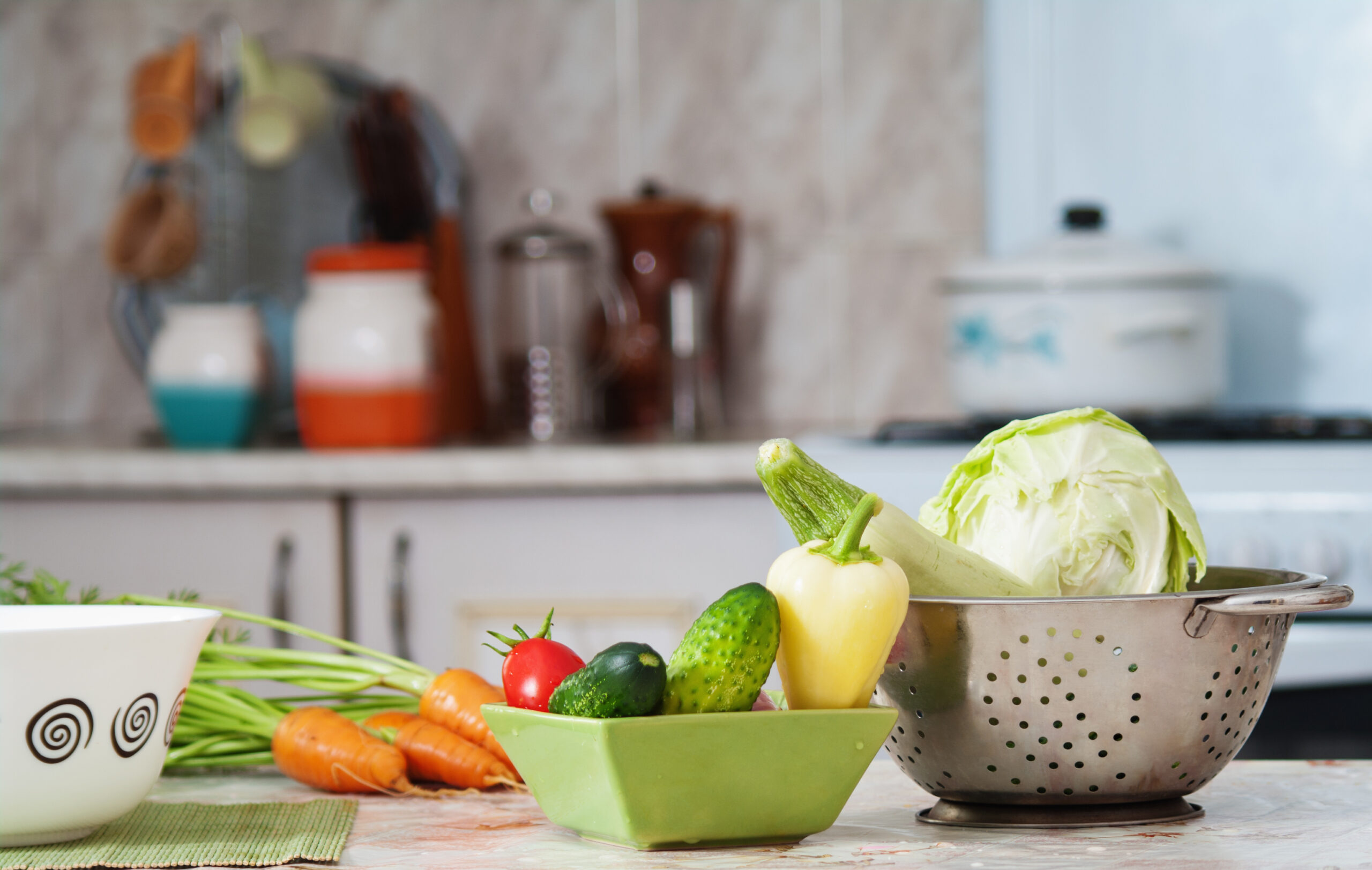

Photo: Lemberg Vector Studio/Shutterstock.com
Depression is a leading cause of disability and impacts millions of people worldwide. As parts of the world settle into the shorter days and cooler temperatures of fall and winter, many people notice changes to their mood and energy levels. A diet rich in fruits and vegetables can help to boost a sense of wellbeing. Let’s take a look at colorful foods to support colorful moods!
The Power of Fruits and Vegetables
Many factors can contribute to depression, but inflammation and oxidative stress are thought to play significant roles. When it comes to these root causes, food choices may either add to or improve the situation. For example, a recent meta-analysis of 547,606 study participants demonstrated that sugar intake and inflammatory foods (such as those found in a typical Western or processed foods diet) were highly correlated with depression.
Fruits and vegetables, on the other hand, have been shown in a number of studies to correlate with a decreased risk of depression. Not only that, but fruits and vegetables can contribute to positive personality characteristics. In a study of 405 young adults, a greater consumption of fruits and vegetables was associated with increased creativity and curiosity.
It’s important to focus on variety as you are building your mood-boosting diet. A study following the dietary habits of 4,105 Australian men and women over the course of 12 years found that consuming 4 to 6 different vegetables per day was associated with a 24-42% lower risk of experiencing symptoms of depression compared to eating only 3 different kinds of vegetables!
Green, red, orange, and yellow foods proved to be especially impactful as they contain a wide array of nutrients. Notably, vitamin C, carotenoids, and B vitamins may be particularly beneficial when it comes to combating oxidative stress and inflammation associated with low moods.
Vitamin C
Vitamin C is a water-soluble vitamin known for its antioxidant qualities. It can quench free radicals in key areas of the body such as the brain and neurons.
However, vitamin C has other functions that can influence a colorful mood. It is involved in the synthesis of neurotransmitters such as dopamine and serotonin. Dopamine is connected to our body’s reward centers and elicits feelings of pleasure and motivation while serotonin impacts happiness. Vitamin C is also involved in the synthesis of catecholamines (norepinephrine and epinephrine), which impacts our ability to handle stress. In addition, its status in the body has also been shown to be positively associated with a person’s ability to perform focused work.
Studies have shown that vitamin C insufficiency is more common in modern society than we might think. Oxidative stress increases as we age, and humans lack the enzyme to synthesize vitamin C on our own. This fact means it’s crucial to include vitamin C-rich foods in the diet as a strategy for supporting vibrant moods and healthy aging.
We often think of citrus fruits such as oranges as being a rich source of vitamin C. However, it can be found in other fruits like kiwi, strawberries, and cantaloupe, and vegetables like red bell peppers, broccoli, cauliflower, Brussels sprouts, tomatoes, and potatoes. Vitamin C is delicate and can be destroyed by heat. Avoid boiling vitamin C-rich vegetables and opt to lightly steam them instead.
Carotenoids
Carotenoids are pigments that give red, yellow, orange, and green foods their rich color. Like vitamin C, carotenoids have antioxidant properties and can inhibit the transcription of pro-inflammatory cytokines.
A study of students with major depressive disorder showed that a lower dietary intake of carotenoids such beta-carotene, lutein, and zeaxanthin was correlated with depression. Total antioxidant capacity, a measure of antioxidant levels in the body, was lower in these students compared to controls. A separate study of older adults found that higher levels of plasma carotenoids were inversely correlated with depression even after 6 years of monitoring the diet.
Focus on incorporating red, yellow, orange, and green foods into your meals. Beta-carotene can be found in many orange foods such as sweet potato, butternut squash, and carrots, as well as dark green vegetables like spinach, kale, collard greens, and broccoli. Lutein and zeaxanthin are also found in spinach and kale as well as other green vegetables like parsley, lettuce, Brussels sprouts, and asparagus.
Carotenoids are fat-soluble, meaning you need to eat them along with a healthy fat to ensure they are properly absorbed. This could be as simple as cooking your Brussels sprouts with a little bit of avocado oil or using an olive oil dressing for your spinach salad.
B Vitamins
B vitamins also support our mood. A higher intake of vitamins B6 and B12 was inversely correlated with depression in two studies with older adults, while another study with older adults found folate and B12 levels predicted the propensity to experience positive emotions.
Vitamins B6, B12, and folate are key players in the methylation cycle, during which the amino acid homocysteine is converted to methionine. Therefore, their involvement is important when it comes to mood as elevations in homocysteine contribute to depression. The conversion process of homocysteine to methionine sets a positive cascade in motion during which methionine is used to make S-adenosylmethionine (SAMe). SAMe helps to regulate the feel-good neurotransmitters dopamine, serotonin, and norepinephrine that we explored earlier.
The methylation process also results in energy production. You’ve likely experienced how fatigue can contribute to a worsening mood, while steady energy levels lead you to feeling happy and productive throughout the day. This increase in energy can cause a positive feedback loop in which you feel more motivated to exercise, eat well, and create other healthy habits that contribute to a sense of overall wellbeing.
An easy way to remember plant-based sources of B vitamins is to think, “greens and beans.” Try to incorporate leafy greens and legumes as rich sources of folate with lesser amounts of other B vitamins.
If you plan to incorporate more colorful, plant-based, and/or whole foods into your daily eating, or have food allergies or questions about which foods can best support your mood and health goals, talk to your doctor, nutritionist, dietician, or another member of your healthcare team for personal options based on your individual circumstances.