
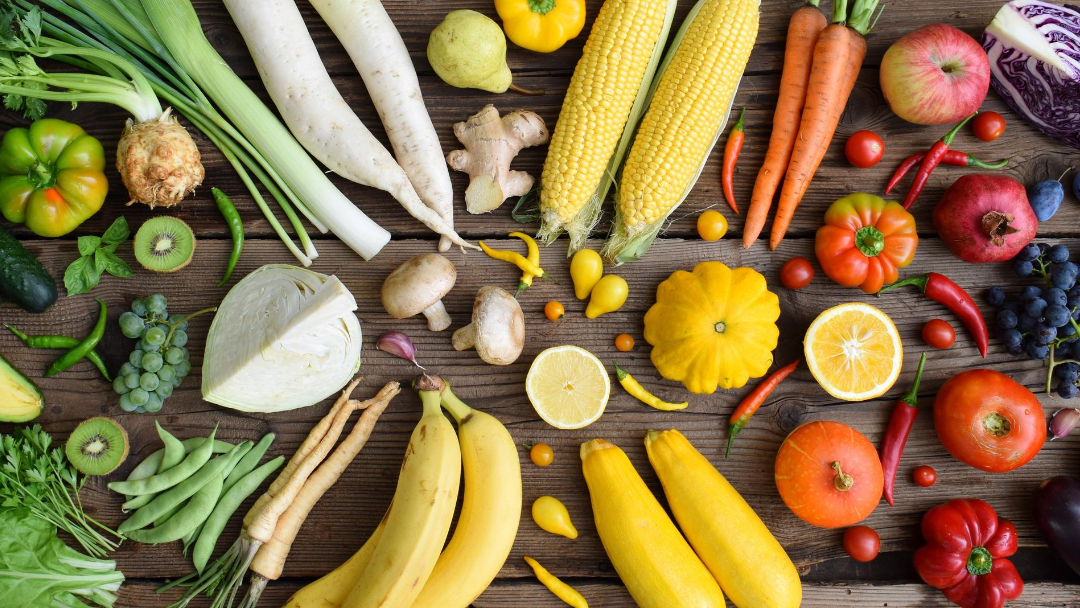
Photo: Oksana Slepko/Shutterstock.com
With the COVID-19 crisis, many of us have turned to finding ways to support the immune system through diet and lifestyle as one part of our protection plans. In that spirit, I want to share tips for preparing immune-balancing meals. Rather than focusing on one or two immune-supportive superfoods or nutrients, I will focus on how to incorporate immune-balancing strategies in every meal.
Before diving into the tips, let us first do a quick review of the key nutrients the immune system utilizes. From there, we can create categories from which to select foods to create your meals.
The Basics of Nutrition & The Immune System
Your immune system incorporates many different elements to fight against potential pathogens and other perceived threats to your health. These components work together to build a physical barrier to pathogens, identify threats that pass through the barrier, attack and eliminate threats, and remember threats to act accordingly in the future. The immune response breaks down into two main categories: innate and adaptive. Your innate immunity incorporates non-specific mechanisms that act immediately against perceived threats, while the adaptive immunity is more complex, is specific to an antigen, and involves memory.
When building immune-balancing meals, you want to incorporate foods providing sufficient levels of nutrients that support the different components of the immune system. Additionally, you want to include foods with antimicrobial properties, antioxidant support, anti-inflammatory effects, and microbiome benefits.
The nutrients that most directly support the immune system include vitamins A, C, D, E, the B-vitamins (especially B6, B9, and B12), iron, zinc, selenium, copper, and magnesium. Many of these nutrients have multiple roles, supporting the physical barrier as well as the cells and processes involved in the innate and adaptive responses. While these nutrients are found in a variety of foods, a large number of people have an inadequate dietary intake of many of these essential nutrients: 45% are insufficient in vitamin A, 46% in vitamin C, 95% in vitamin D, 84% in vitamin E, and 15% in zinc.
An important part of a balanced immune system, especially innate immunity, is balanced oxidative stress, also known as redox balance. While reactive oxygen species have a function in the immune response, excess oxidative stress can contribute to damage. Consuming antioxidant supportive nutrients, including vitamins C and E, iron, zinc, copper, selenium, and magnesium, provides one step. Copper, zinc, iron, and selenium are also necessary for the antioxidant enzymes, while vitamins C and E, the B vitamins, and selenium play a role in glutathione, a key player in redox balance. Many dietary phytonutrients have antioxidant properties to further counter excessive oxidative stress.
Another important component of immunity is the inflammation response. While acute inflammation plays a key role in mitigating illness and injury, chronic low-grade inflammation is associated with an increased risk of many chronic diseases, including diabetes, Alzheimer’s disease, autoimmune conditions, heart disease, and metabolic syndrome. Omega-3 fatty acids, or more specifically a balanced omega 6 to omega 3 ratio, play an important role here, as do vitamins A, C, E, B6, zinc, iron, copper, selenium, magnesium. Phytonutrients can also have anti-inflammatory effects.
When discussing supporting the immune system, we cannot omit the importance of the microbiome, especially the gut microbiome. The commensal bacteria play various roles, including the creation of the physical barrier, antioxidant properties, and anti-inflammatory effects. Consuming foods that support a balanced, healthy gut microbiome also supports the immune system.
Now that we are on the same page about the relationship between nutrition and the immune system, let us dive into tips for crafting an immune-supportive meal.
Crafting an Immune-Balancing Meal
You could try creating meals around foods rich in the particular nutrients discussed above, but to make it simpler, I’ve created some categories that can help you maintain variety in your meals while also choosing foods rich in immune-supporting properties:
- Prebiotic/probiotic foods
- Healthy fats
- Protein
- Red-colored foods
- Leafy greens
- Herbs and spices
- Teas
- Add additional colorful plant-based foods and reduce highly processed foods with added sugar.
How have I come up with these categories? Let’s review, starting with support for the microbiome. Fiber, resistant starch, polyphenols, and other prebiotic foods support a healthy gut microbiome. Consuming fermented foods such as yogurt, kimchi, and sauerkraut also encourage a balanced microbiome.
As discussed above, omega-3 fatty acids and other healthy fats play various roles in immune support. They also aid in the absorption of the key fat-soluble vitamins (vitamins A, D, and E). Therefore, add some healthy fats to every meal.
Protein, especially plant protein, plays a necessary role in the immune system. Amino acids are the building blocks of many immune cells including immunoglobulins, lymphocytes, natural killer cells, and macrophages. They also regulate gene expression, redox status, and cytokine production. Thus, incorporate protein in every meal.
While many of the phytonutrients that impart color to food support various aspects of the immune system, for my rainbow diet, I have given special designation to red foods for the immune system due to their anti-inflammatory properties, as well as their antioxidant and vitamin C content. When creating a meal, look for some delicious red foods to add, such as tomatoes, beets, red apples, red cabbage, and radishes.
Leafy greens are a great source of fiber, the B vitamins, vitamins A, C and E, and magnesium, as well as antioxidants and other phytonutrients. Add a side salad to your meal or modify a favorite recipe to include some leafy greens.
Herbs and spices do so much more than simply add flavor to meals. These powerful plant foods impart beneficial properties, including antioxidant activity, anti-inflammatory effects, and antimicrobial properties, even in small amounts. Have fun with flavoring your meals using a variety of herbs and spices, such as turmeric, ginger, rosemary, chili pepper, and cinnamon.
Herbal teas are another great way to consume beneficial herbs and spices rich with polyphenols and other phytonutrients to provide the immune support discussed above. It’s not just herbal teas that help the immune system; green, oolong, and black teas also impart similar benefits to the immune system and overall health.
To round out your meals, simply add other colorful fruits & vegetables or other plant-based foods and minimize highly processed foods and added sugars.
How To Use This Guide
When meal planning, you do not always have to include an item from every category. Consuming a diverse diet also aids in getting a variety of nutrients and phytonutrients for immune balancing. However, by thinking about these different categories as you plan meals, it can be easier to brainstorm meals for the entire week that ultimately provide the nutrients necessary for immune support and overall health.
An example of an immune-balancing meal for myself is:
- Wild-caught salmon for omega 3s (or some days I prefer more plant protein sources such as legumes)
- Edible flowers for antioxidant phytonutrients
- Greens for folate, chlorophyll, magnesium
- Shiitake mushrooms for immune health
- Spices for antioxidants
- Root vegetables for fiber & carotenoids
- Herbal kraut with pre- and probiotics
If you wish to improve your immune system from the inside out, be sure to talk to your doctor, nutritionist, or another member of your healthcare team about the best options for you based on your own individual circumstances.