Photo: Dmitr1ch/Shutterstock.com
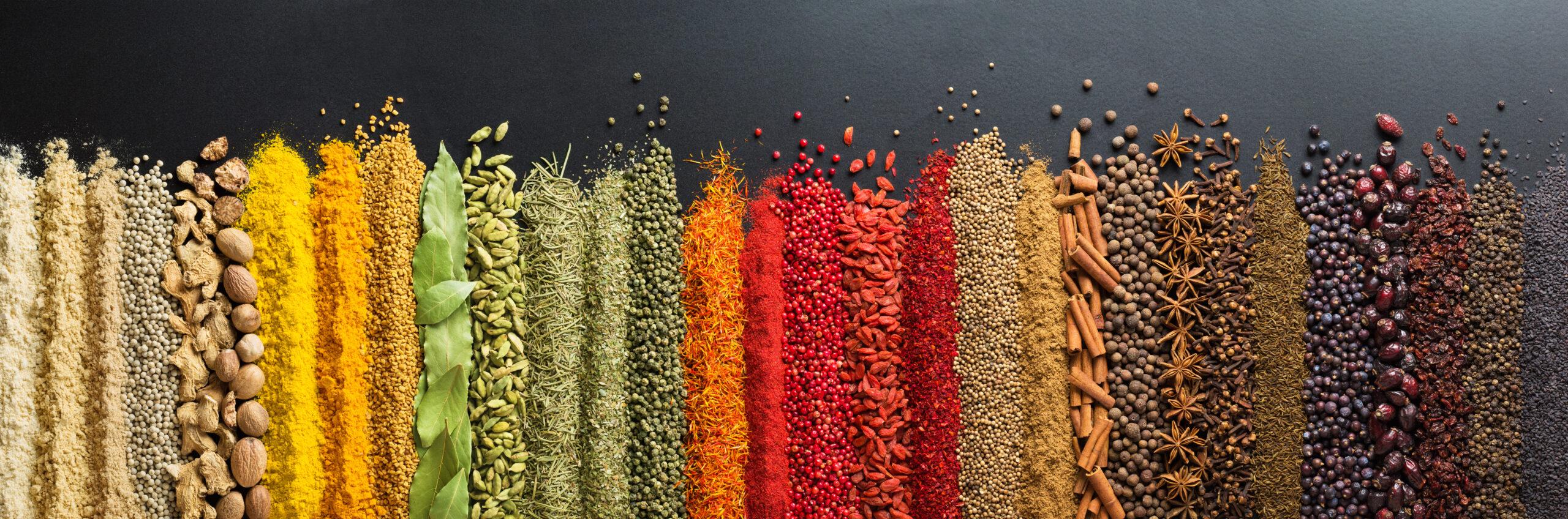
Herbs and spices come from various parts of plants including leaves, roots, bark, berries, seeds, buds, and stigmas. Whereas herbs are generally fresh, spices are dried and used in whole or ground forms. Dried spice powders have been shown to be higher in phenolic content (a measure of antioxidant potential) than their fresh herb counterparts. Not only are they impactful for health, but they add flavor and aroma to food. Additionally, they have medicinal and food preservation purposes. Because small amounts of herbs and spices are typically required in recipes, people may not realize the health benefits they provide. However, in this case, small can be big in effect. Nonetheless, spices contain phytochemicals – polyphenols in particular – with anti-inflammatory, neuroprotective, antimicrobial, anti-diabetic, and anti-cancer effects. Spices such as thyme, cloves, rosemary, and turmeric are rich in phytochemicals.
The Many Benefits of Spices
Though herbs and spices are consumed in smaller amounts compared to fruits and vegetables, they sometimes contain higher levels of phytochemicals. Even more so, dried spices can have higher amounts of phytochemicals than their fresh counterparts. For example, broccoli contains 198 mg of total phenolic content per 100 g fresh weight, whereas fresh oregano contains 935 mg per 100 g and over 6,000 mg in its dry form per 100 g.
Spices add a diversity of phytochemicals to the diet and can modulate the gut microbiome through antimicrobial effects on some bacteria and stimulatory effects on others. A study investigated the effects of a combination of spices in curry meals on the gut microbiome in individuals unaccustomed to Indian spices. The results showed that as little as two days of spice consumption – and even a single serving of spices – significantly modified or restored protective bacteria. For example, the group consuming curry meals with spices increased or maintained Bifidobacterium relative abundance, whereas the control group, which consumed a low-polyphenol meal, showed decreased Bifidobacterium relative abundance. Bifidobacterum strains have a number of beneficial effects on human health, such as antimicrobial activity against pathogens like E. coli and salmonella, regulation of the immune system, and even positive effects on mental health.
Spices also confer protection against chronic diseases such as cancer, obesity, type 2 diabetes, arthritis, neurodegenerative conditions, and cardiovascular disease. A 2021 randomized, controlled-feeding study looked at the dose-response effects of culinary herbs and spices on cardiometabolic disease risk factors in at-risk adults. The herb and spice composition included 24 different herbs and spices such as onion powder, garlic, rosemary, thyme, cinnamon, turmeric, and black pepper. The combinations and amounts of each varied by day to better represent how they are consumed in a normal dietary pattern. Compared to medium- and low-spice diets, four weeks of a high-spice diet tended to show improvements in 24-hour blood pressure, with effects more apparent in women. Another study found that adding spices to hamburger meat significantly reduced lipid-peroxidation products formed during cooking, which can contribute to atherosclerosis and carcinogenesis. The spices used in the study were rosemary, oregano, cloves, cinnamon, ginger, black pepper, paprika, and garlic.
Spices help to decrease inflammatory advanced glycation end products (AGEs) formed during high temperature cooking as a reaction between sugars and protein or fat. The chemical reaction that forms AGEs is known as the Maillard reaction, and it gives browned foods, such as grilled meat, its distinctive flavor. High AGE concentrations in tissues may contribute to several disorders including atherosclerosis, diabetes, chronic heart failure, kidney disease, and Alzheimer’s disease. Additionally, AGEs may be implicated in increased risk of food allergy. Spices like cloves, cinnamon, oregano, thyme, allspice, and star anise have antiglycation abilities and can inhibit AGEs formed during cooking. Black pepper is one of the most used spices – especially in the Mediterranean diet – and can prevent AGE formation as well. Acrylamides are another product of the Maillard reaction and can form AGEs. Black cumin and salt, the latter of which is not technically a spice but is often used in seasonings, can reduce acrylamide formation.
Finally, spices enhance the eating experience by adding taste and aroma that impact digestion and palatability. Tastes and smells can stimulate secretions in the mouth and gastrointestinal system to facilitate digestion. For example, smells induce salivation in the mouth, gastric acid secretion in the stomach, and even the release of insulin. Additionally, spices improve palatability and taste, and poor taste is a main reason why nearly 90% of people in the U.S. do not meet vegetable intake recommendations. An intervention conducted at an underserved, urban high school added spices to vegetables in school lunches and found that, when spices and herbs were added, vegetable intake was 18.2% higher compared to typical preparations (vegetable oil and salt). Most importantly, adding spices to enhance flavor and improve vegetable intake is affordable, and spices are accessible to most people while requiring minimal cooking skills to incorporate into food preparation.
How to Use Spices
Spices have a wide variety of uses and add health-promoting phytochemicals to any meal. Spices like garlic, onion, and ginger can be used in stir fries. Rosemary and dill can be added to vegetables before cooking. Spices like cardamom, nutmeg, and cloves can be mixed into oatmeal and baked goods. Black pepper, cumin, and turmeric can be infused with ghee, and cinnamon can be infused with honey. Masala chai is a popular tea with cinnamon, cloves, green cardamom, and peppercorns. Cooking methods such as simmering and stewing appear to increase the antioxidant capacity of dried herbs or spices, whereas grilling and frying may decrease it.
Spices can also be utilized outside of the kitchen as essential oils in skincare products, non-toxic candles, and cleaning solutions. Thyme, which is a natural expectorant, can be used in a facial steam to ease congestion during illness.
Here’s a short list of some potential ways to incorporate herbs and spices:
- Add to smoothies and juices
- Combine finely-chopped garlic and dill and oregano spices to extra virgin olive oil and lemon juice for a delicious and nutritious salad dressing
- Add fresh herbs such as cilantro, chives, basil or mint to salads, omelets, stir-fries or sandwiches
- Sprinkle spices, such as cumin, oregano, or fennel seeds, in soups or salads
- Marinade lean meats in curry powder or curry pastes
- Sprinkle cinnamon and nutmeg over oatmeal or wholegrain toast for breakfast
- Add extra flavor to scrambled eggs with a handful of fresh parsley or chives
- Stew fruits with cinnamon and a vanilla pod
- Substitute tea by steeping lemongrass or mint in hot water
- Add fresh or dried herbs to your favorite pasta dish
- Use spices in ghees, honeys, oils, salts, or as sprinkles
How to Store Spices
Proper storage is important as spices are prone to contamination with mold, which creates secondary metabolites called mycotoxins. Mycotoxins, such as aflatoxins, have carcinogenic, genotoxic, mutagenic, teratogenic, hepatotoxic, and immunosuppressive effects. Contamination may occur at home because of improper storage, or it can occur in production because of insufficient drying times, production processes, or storage conditions, especially for those produced in areas with a tropical or sub-tropical climate. Spices like capsicums (chili peppers and paprika), curry powder, turmeric, ginger, nutmeg, black pepper, and cumin may have a higher risk of mycotoxin contamination. Irradiation is a commonly used practice to reduce contaminants in spices. Though past evidence is conflicting, a 2023 study found that gamma irradiation of fennel and cinnamon significantly enhanced phenolic compound content and antioxidant activity, especially at low doses. Consumers can minimize mycotoxins and reduce deterioration by storing spices in a cool, dark, and dry space. Storing spices near a stovetop or sunny window can introduce heat and UV light to spices and contribute to spoiling. When using spices, it’s important not to add them directly over steaming dishes as this introduces moisture to the product. Instead, portion them into a small container first. Spices should be replaced if they clump or become caked as this indicates moisture has been introduced. Additionally, spices in the bulk section of stores may be contaminated with pathogens due to handling by different consumers; individually packaged spices may be safer.
When purchasing spices, look for glass jars as these are more airtight compared to plastic, and they are a non-toxic alternative to plastics. Shelf life can vary by spice, but research suggests that non-plastic, opaque storage containers may be best for extending the shelf life, the latter of which may underline the importance of keeping spices out of sunlight. Additionally, based on a study investigating the shelf life of dried tea leaves, it could be assumed that spices also exhibit changes in antioxidant levels that vary by type of spice and phytochemical. While it’s generally believed that spices can be kept for a few years, it may be best to purchase spices in smaller quantities and use them as soon as possible to maximize antioxidant and minimize mycotoxins.
Though it depends on a person’s location, many herbs, such as basil, dill, thyme, sage, and rosemary, are easily grown in a home garden and can be eaten fresh or dehydrated to use as spices. Fresh herbs are less concentrated in antioxidant phenols than dried spices, and many can be frozen to enjoy year-round.
Key Takeaways:
- Spices are a simple way to add diversity to the diet, and they can improve the taste of vegetables to increase intake.
- Cooking with spices may restore the gut microbiome and contribute to protection against chronic disease.
- Spices can be incorporated into a variety of dishes. Stewing and simmering may increase their antioxidant capacity, and using spices in grilling or frying can prevent the formation of advanced glycation end products (AGEs).
- Consumers can minimize deterioration of spices by storing them in a cool, dark, and dry place. Avoid using spices directly over steaming dishes and replace them if they become caked or clumped.
If you have questions about which herbs, spices, or foods can best support your health, talk to your doctor, nutritionist, dietician, or another healthcare team member for personal options based on your circumstances. Note that spices can affect the metabolism of medications, so consult your pharmacist if taking any prescription drugs.